
CASE 46
Harch Inc.
(July 24, 2024 – March 31, 2025)
We're building a circular ecosystem by forging organic connections.
"Publishing a better future." That's the motto of Harch Inc., which delivers a broad range of online media on topics like sustainability and the circular economy. It has recently embraced a new challenge: supporting startups, through a program created in collaboration with the Tokyo Metropolitan Government. It's called "Circular Startup Tokyo." In the first and second phases, which took place in 2024 and 2025, Hitoshizuku helped with PR and communication. The initiative aims to build a circular ecosystem, but what changes has it brought about? We asked Keisuke Kikuchi, of Harch, to look back on their achievements, and to talk about the next step.
Supporting circular startups alongside the Tokyo Metropolitan Government
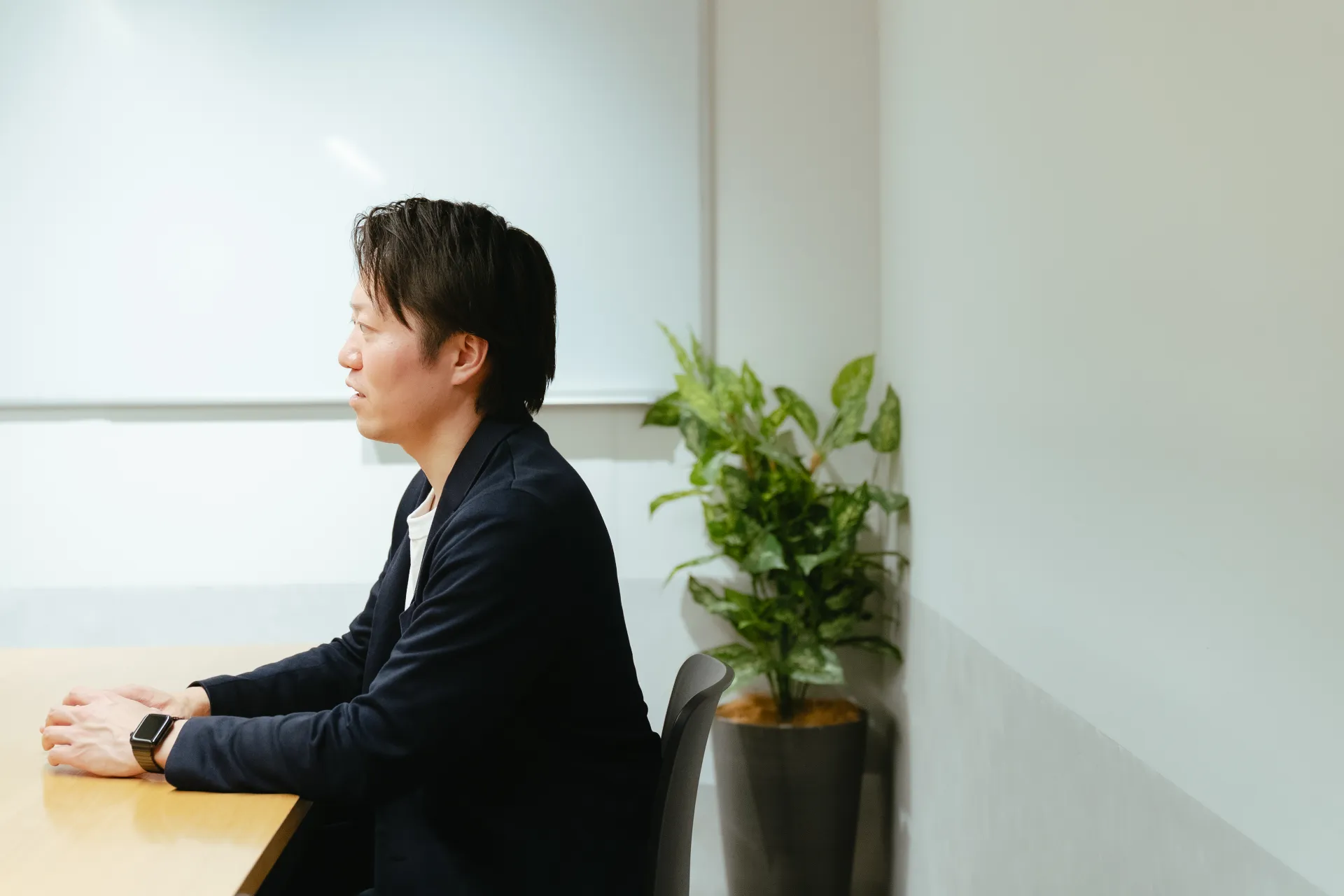
Koki Fukumoto, Hitoshizuku (Fukumoto):
The first phase of Circular Startup Tokyo was held in 2024, and the second in 2025. Hitoshizuku was involved in both. Can you give us an outline of the program?
Keisuke Kikuchi, COO, Harch (Kikuchi):
We work with the Tokyo Metropolitan Government, which announced a strategy called “Global Innovation with Startups” in 2022. They set a target of “10 x 10 x 10,” meaning that over five years, they want to increase three things by a factor of ten: Tokyo-based unicorn companies (a privately held startup with a current valuation of at least US$1 billion,) Tokyo-based startups, and collaborative initiatives. One element of this is “Tokyo Suteam,” a platform for the metropolitan government to support startups by recruiting and collaborating with a diverse group of partners. Harch was selected as one of 50 companies.
Each partner takes a different approach. At Harch, we’ve set up a support program focused on the circular economy. We invite startups and entrepreneurs exploring business opportunities within that field, then work with experts like academics, specialists, investors, companies, and industry groups. The goal is to create a new ecosystem. Participants of the program receive lectures and mentoring from those working on the front lines of the circular economy. They collaborate with many other businesses and organizations to hone their vision and ideas. This culminates with a “Final Demo Day,” when each participant pitches their concept. In the second phase, they also showcase their services and products.
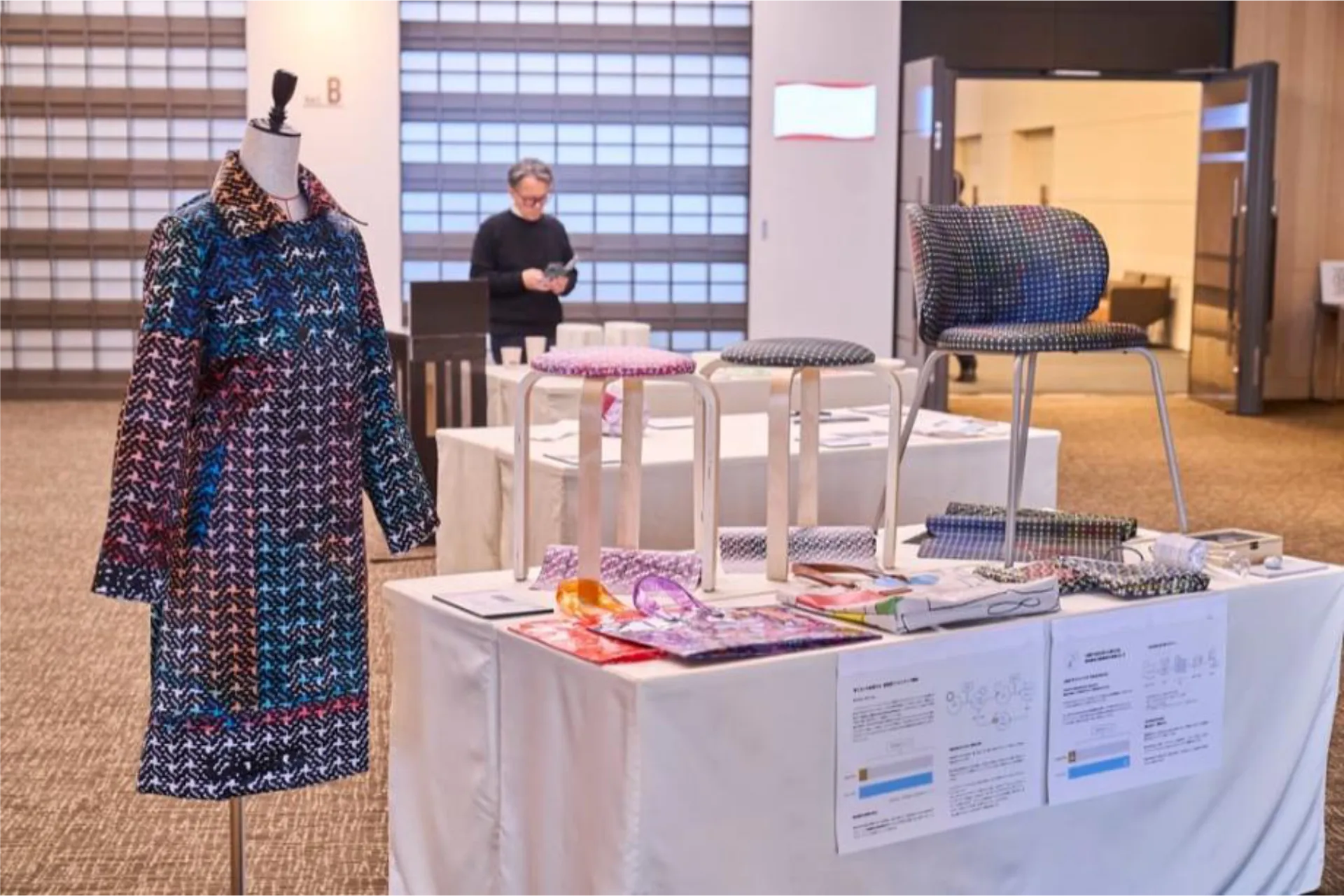
A display at phase two’s Final Demo & Exhibition Day
Fukumoto:
I’ve been working in PR for a long time, and I know Harch as an online media company focused on themes like sustainability and the circular economy. When I heard you were supporting startups, I was impressed by the breadth of your activities. What inspired and motivated you to go in this direction?
Kikuchi:
As you say, we’re an online media company. It involves speaking to a range of experts, working in local government, education, finance, or elsewhere. Many voiced a common opinion: For a circular economy to take root in Japan, we need more entrepreneurs, creating and developing a variety of services. So we considered how to contribute, as a media company. And we thought about creating an ecosystem, bringing together entrepreneurs, experts, businesses, and organizations, all involved in the circular economy. It would have been difficult to create this system ourselves, but at just the right moment, an investor told us about the Tokyo Metropolitan Government’s project. So we applied, with the goal of creating a circular ecosystem based on supporting startups.
Fukumoto:
And “Circular Startup Tokyo” became your first initiative within that project. The mentors you enlisted were experts in a variety of fields—just as you’d expect from Harch. Through online media, you’ve built relationships of trust. It’s one of your strengths.
Kikuchi:
Previously, we’d asked them to write articles, or be interviewed. They’re all extremely busy, but they believe in the importance of supporting startups, so when we approached them about our new venture they agreed to help. We’re so grateful.
Building relationships with a boundary-crossing PR framework
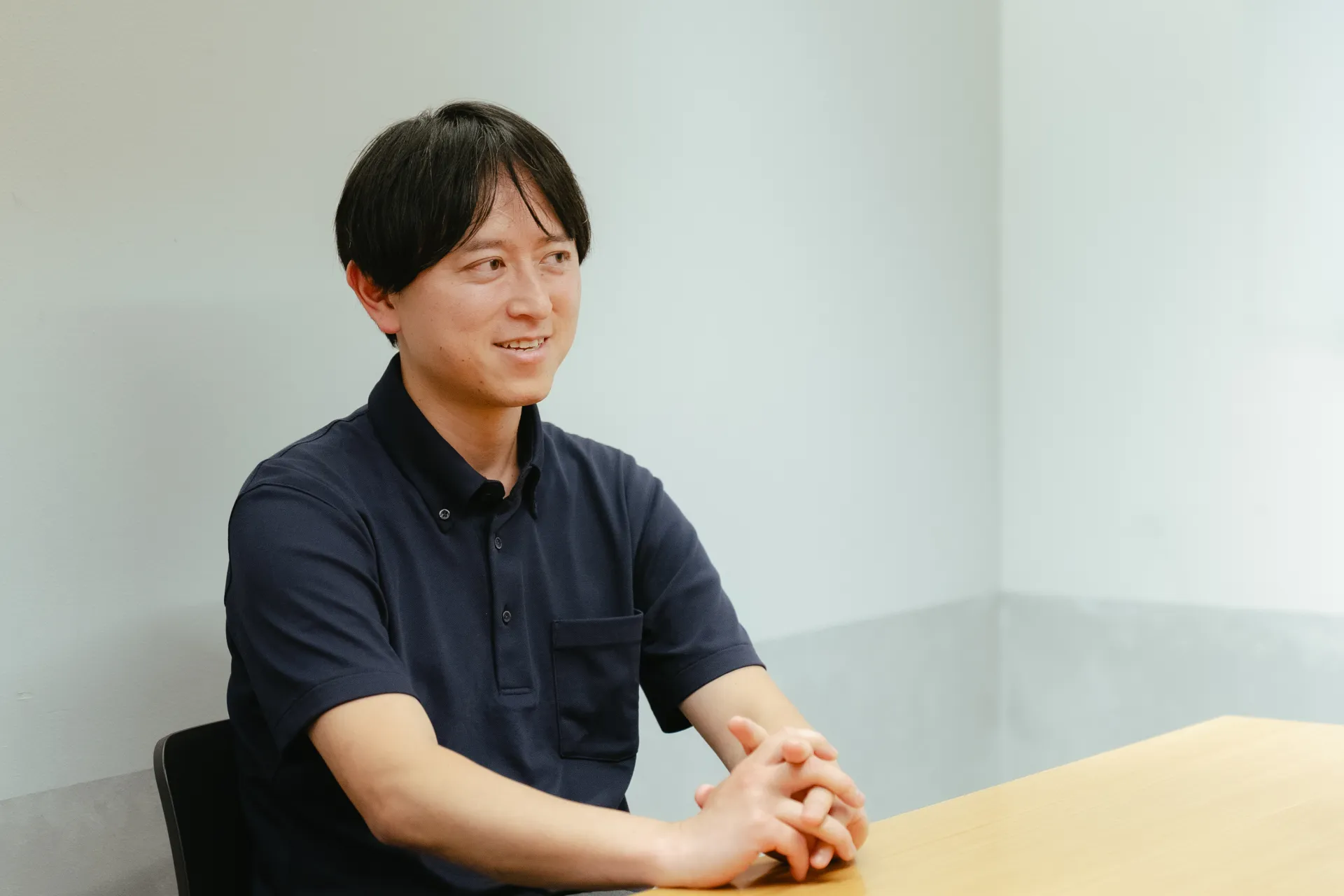
Fukumoto:
You reached out to us before the phase one demo day.
Kikuchi:
The project’s opening event was in May 2024, and the demo day was scheduled for August. We contacted you in late July, and we didn’t give you much time!
Fukumoto:
That’s OK. What challenges were you facing in that moment?
Kikuchi:
Initially, we asked you to invite the media to the demo day, and to handle them at the event itself. Harch’s CEO, Yu Kato, introduced me to you, saying, “We definitely need Hitoshizuku’s help.” So we set up a meeting. We explained what we wanted, starting with the fundamentals. During our discussion, it became clear that we needed to look ahead to the second phase. Rather than just focusing on the demo day, we needed to build a communication framework to achieve the overall goal of Circular Startup Tokyo: establishing a circular ecosystem.
As an online media company, we don’t struggle to publish information about our activities. But to create a circular ecosystem, we must do more. We need to expand the circle, recruiting more allies that understand and support everything we’re doing. It was our first attempt at community management, and we were looking for ways to improve. From the second phase, you helped us to establish better communication between program participants, and to get more allies involved—including those outside the program. We were very grateful.
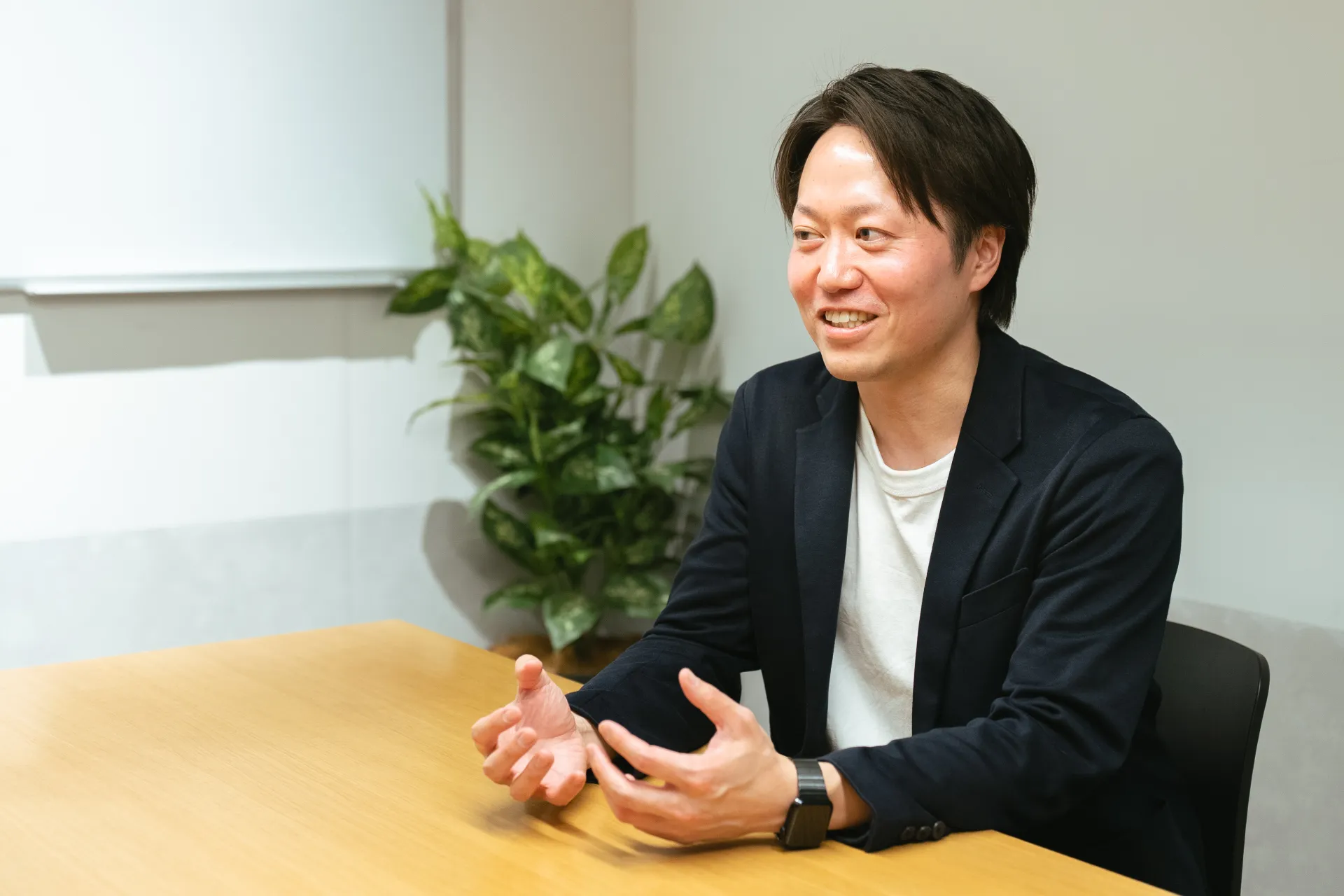
Fukumoto:
Nurturing a community is about building relationships, and we made several proposals. One was for program participants to promote themselves. We created a system that allows each of them to share information among the group, whenever they have news to share, or whenever they’re featured in the media.
Kikuchi:
In our existing Slack group, you recommended setting up a channel for each participant to use as a digital press room. You showed us how to coordinate that. We implemented the idea from the second phase. It’s exciting for participants to read messages like, “We sent out this press release, and it resulted in this article.” They see the cause and effect, and realize there’s more that they could be doing. It’s created a positive cycle within the community.
Fukumoto:
Articles posted by the participants, and by yourselves, generate a response from the rest of the group. It stimulated communication, creating a really nice atmosphere. In addition to that internal communication, we suggested ways of involving external parties.
Kikuchi:
Yes. During the second phase, we set up public exhibition booths. In the first phase, we got participant to pitch their ideas, but the attendees were mainly from the world of business. Setting up a public exhibition allowed anyone interested in the circular economy to come along and have a look. The booths allowed people to move freely around the venue, encouraging communication between participants, the media, and the public. People would look at a booth and start a conversation, saying, “Oh, this is interesting.” They’d end up exchanging business cards, quite naturally. It formed friendly links between people from different backgrounds, all interested in the circular economy. It reinforced the importance of building relationships.
I’ve mentioned two suggestions that we ended up implementing. But you also advised us on further communication between participants, program content, dealing with the media, and much more. Beforehand, the projects within Circular Startup Tokyo all operated independently. Bringing everything together from a PR perspective allowed us to consider the connections between our processes and operations. It was a major change.
Fukumoto:
We published a lot of detailed information, and people seemed to pay attention. Even in standalone press releases, we tried to include new information for the second phase so it didn’t come across as a rehash of the first. We included eye-catching phrases like “one of the largest in Japan.” We used the name “Web Media Harch” to avoid coming across as a competitor. And we held the demo day on a weekday to make it easier for the media to attend. Those are just some of the strategies we used.
Kikuchi:
We had weekly PR meetings together, to go over each point in detail. As an online media company, Harch has been distributing information for a long time. But I’m not sure we’ve even gone to these lengths. We worked backwards, considering how every word and measure will be received, and what effect it will have.
Fukumoto:
PR planning seems like it would be a huge project, but what’s actually important is the accumulation of small actions. Despite your busy schedule, you arranged those weekly meetings. That gave us a valuable opportunity to review the overall process, and move in a positive direction.
Advancing Japan’s circular ecosystem by forming organic connections
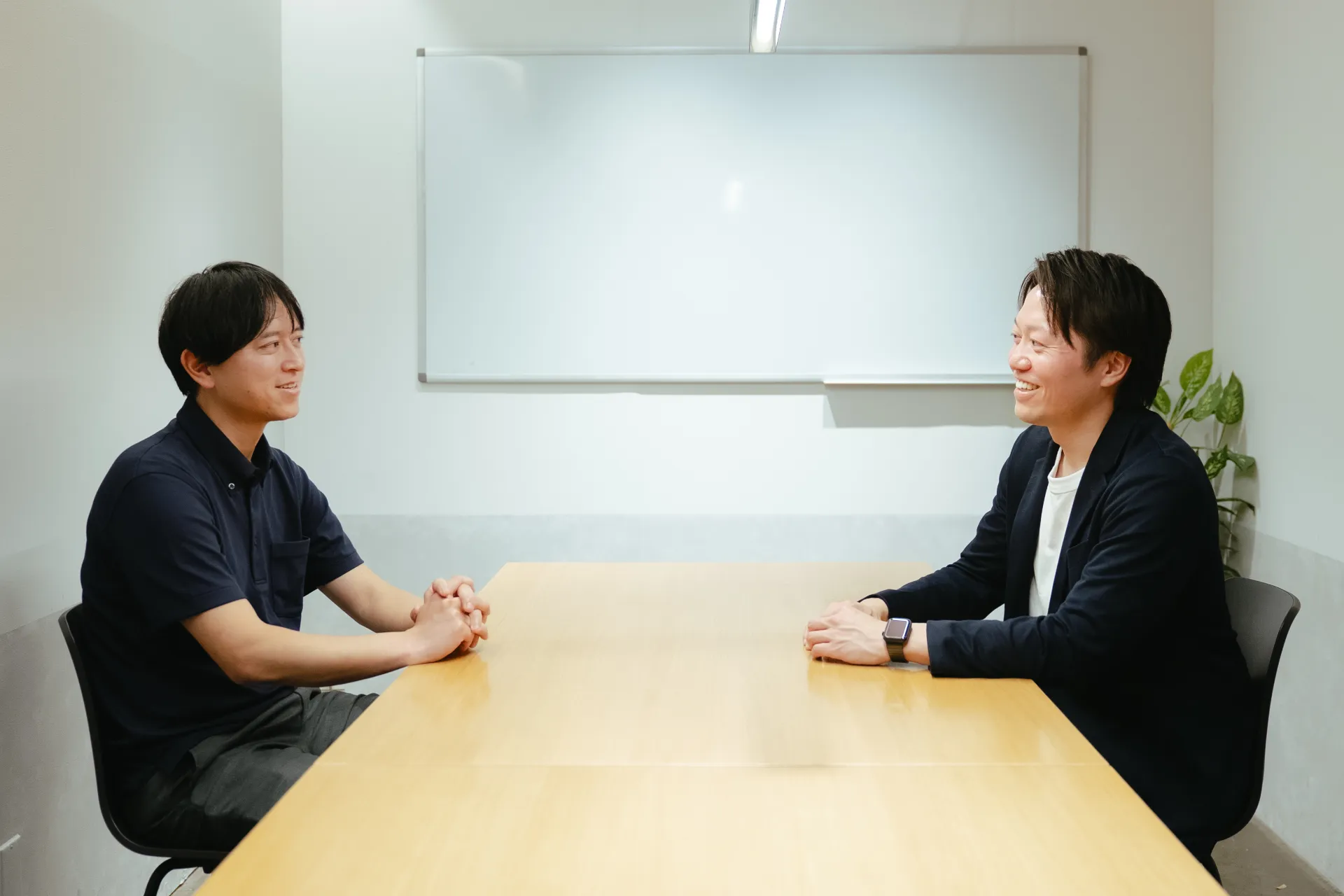
Fukumoto:
The second phase of Circular Startup Tokyo is now complete. How do you think it went? Had you established any targets, such as a certain number of startups?
Kikuchi:
Our targets were 15 startups, 100 million yen of funding, and five business partnerships. We ended up with 96 million yen of funding and six business partnerships, which is a good result. On the other hand, only four startups emerged. For entrepreneurs, founding a company is a major decision that will totally transform their life. So we didn’t think we could ask them to do it during the program. We decided not to push for that, merely to meet our own goals.
Fukumoto:
That’s understandable. Separately from numerical goals, what did the program achieve in qualitative terms? Are there still challenges to overcome?
Kikuchi:
The first and second phases brought about horizontal connections that go a long way towards achieving our goal of a circular ecosystem. This didn’t just happen between participants, but with the mentors, too. Everyone in the group was interested in the circular economy, so I expected there to be a few links. But to my surprise, some said, ” We know already each other online. And now we’re meeting in person for the first time.” Our program became a hub for startup support, where people involved in the circular economy can meet face-to-face, and form connections. Which we see as a fantastic contribution.
However, as the organizer, I think part of our role was to turn those connections into something more organic. We crafted the Circular Startup Tokyo program, which satisfied its participants and led to startups showing strong signs of growth. But they’re separate, like bamboo shoots, each growing on their own merit. Of course, that’s a great achievement. But we’re building a circular ecosystem. It’s important to create organic connections, while maintaining an overhead view of business’ fields and stages of development. This gives a clearer vision of the next step.
Fukumoto:
I understand you’re going to keep working with the 16 teams that took part.
Kikuchi:
Yes. The Slack community is still active, and we’re all still talking. We tell them about upcoming events we’re organizing with our partners in Tokyo Suteam. And we interviewed second-phase participants for Harch’s “Circular Economy Hub” (an online platform covering international trends). We’ll keep working together in various ways.
Looking to the future, by deepening and expanding support for the circular ecosystem
Fukumoto:
Tell us about your plans for the future. Hitoshizuku would love to keep working with Harch to invigorate Japan’s circular ecosystem.
Kikuchi:
Your assistance will be very welcome! We’d like to expand the framework of Circular Startup Tokyo, in a horizontal direction. Online media is the cornerstone of our business, but new elements are emerging, like education and community building. It’s crucial for our participants to communicate externally, and that’s something that Hitoshizuku can help us with.
Fukumoto:
I’m sure you’ll continue recruiting mentors and lecturers working on the front lines. Your online media prowess and your achievements with Circular Startup Tokyo are unique strengths.
Kikuchi:
Thank you. With the experience we’ve accumulated, we believe we can expand the scope of our educational programs. So far, we’ve focused on training courses for large companies and local governments, with themes like sustainability and the circular economy. Now, it seems like we can add content that supports startups, such as fundraising and accounting. We hope to work with experts in these areas, in collaborations that utilize each other’s strengths.
Fukumoto:
That allows you to approach potential circular startups, who have no concrete plans but dream of getting started. It’s important for the future, isn’t it?
Kikuchi:
Absolutely. To invigorate Japan’s circular ecosystem, we want to create organic connections between people in all different positions and stages of development. This includes entrepreneurs striving to start a business, those hoping to do so, interested parties working at large companies, and experts working on the front lines. We’ll continue working hard to achieve that goal.
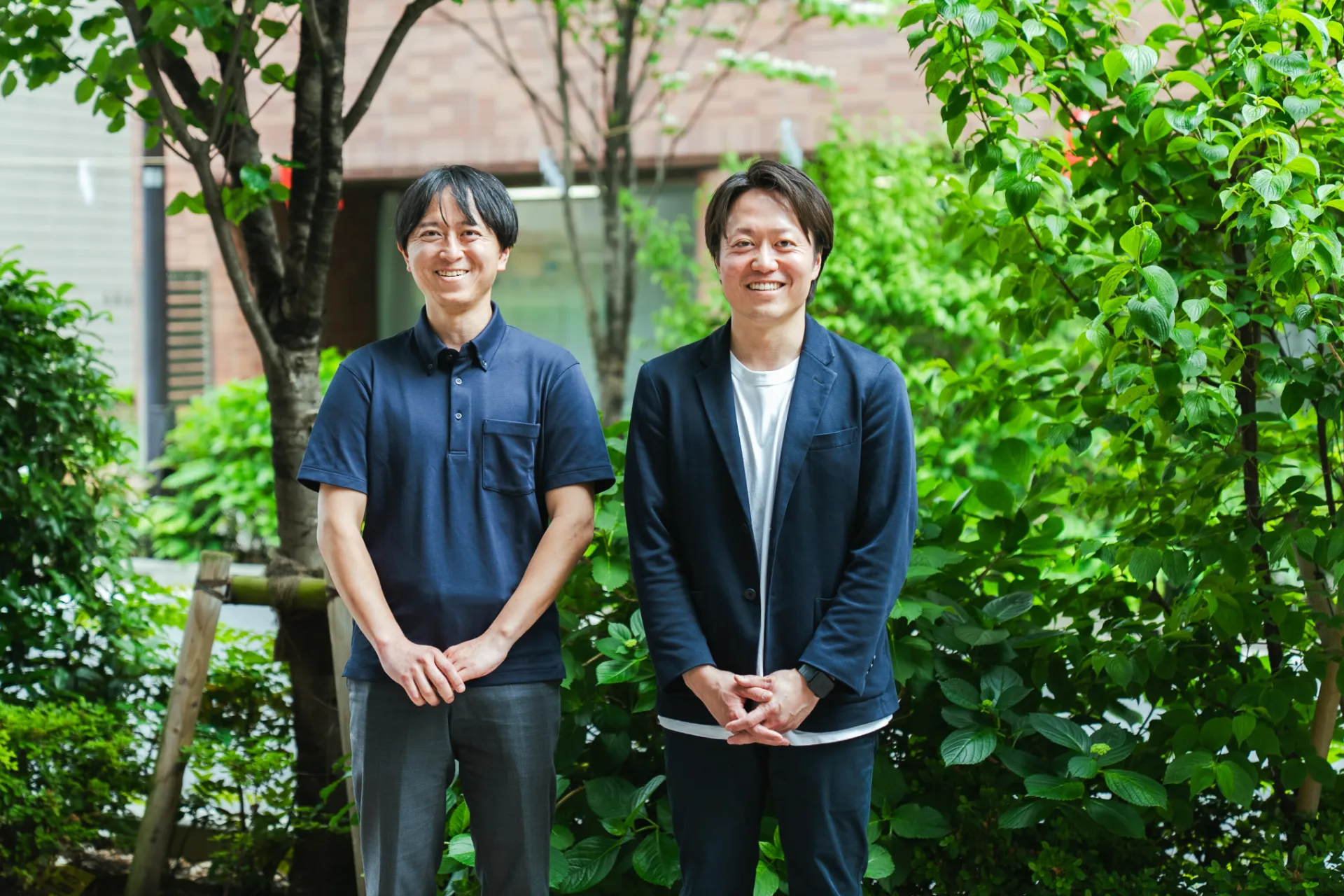
Photography: Hiroyuki Horigome
Editing: Hiroko Ito
Translation Editing: Satomi Furukawa
RECENT WORKS
| Name | Hitoshizuku Inc. |
| Address | 33 Nihonodori Naka-ku Yokohama Kanagawa 231-0021 JAPAN |
| Branch | Hamacho Odawara Kanagawa 250-0004 JAPAN |
| Phone | 81 045 900 8611 |
| info@hitoshizuku.co.jp |
| President | Hiroshi Kokubo |
| Established | March 2016 |
| Capital | 3,000,000yen |
| Business | Advertising & Public Relations Agency Planning & Produciton of Social Good Projects |
| Lawyer | Junna Tei / Yokohama First Law Office |
| Tax Advisor | Satoru Motokoide / Uniques Money Advisory |
| Labor and Social Security Attorney Office Work Innovation | |