
CASE 45
Saraya Co., Ltd.
(March – June, 2024)
Education is how to connect lives to the future.
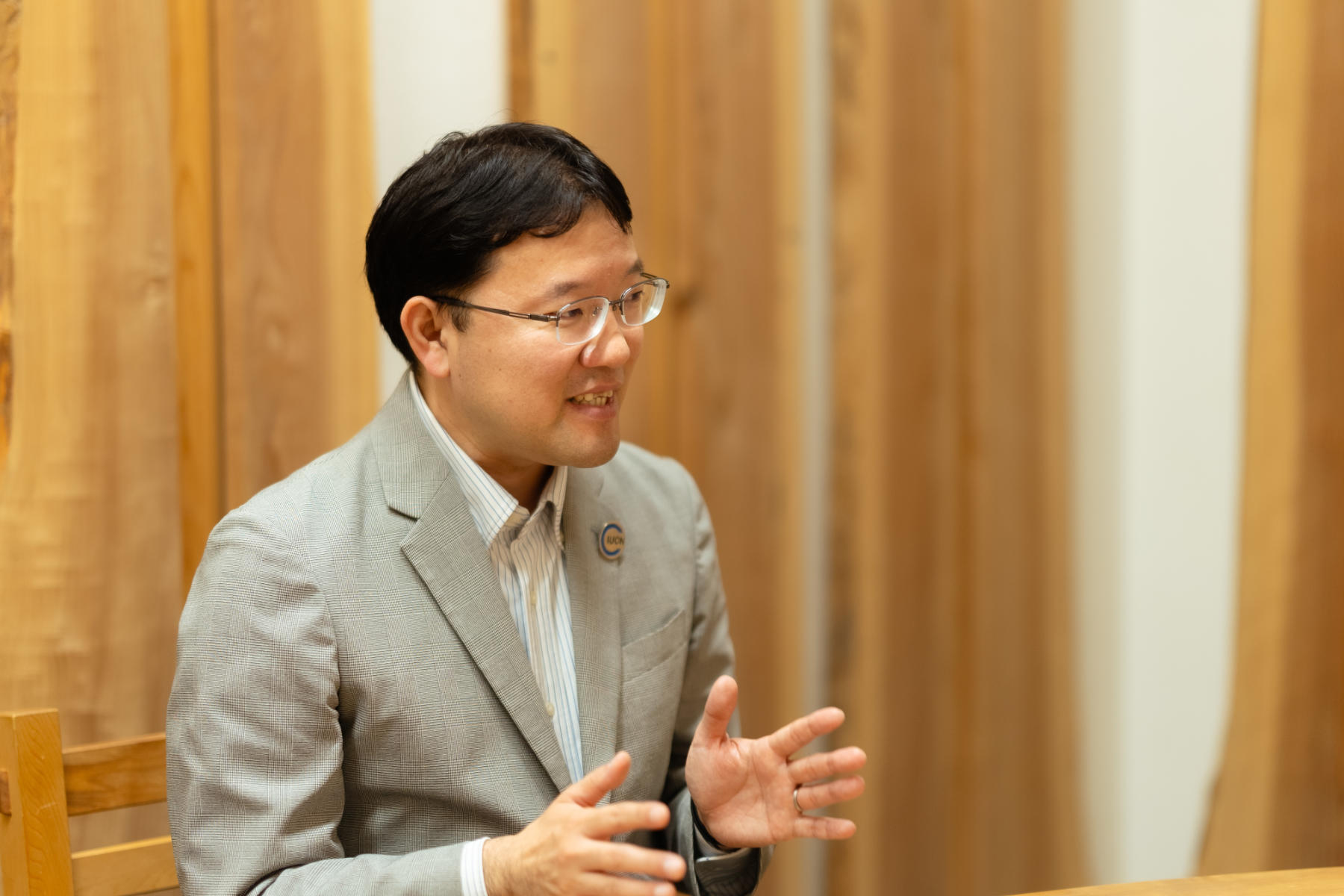
The Connecting Lives School is an educational project for the next generation. It's rooted in the business activities of its organizer, Saraya, whose mission is to contribute to global hygiene, health, and the environment. The school was launched to answer the question: What role can companies play in connecting lives to the future? The biologist Shinichi Fukuoka serves as its principal. Online content development began in 2022, and in 2024 Fukuoka led a class in person for the first time, deepening connections with even more children. Hitoshizuku supported efforts to secure promotional articles and coverage for the May 2024 class. Instead of just announcing the event, we suggested telling Saraya's story, with a book carefully describing its philosophy and origin. It was part of a broad range of promotional activities, focused on corporate communication. Hirotsugu Daishima, Juri Mori and Koki Fukumoto are key members of the project. They speak about the past, present and future of the Connecting Lives School.
How the motto “connecting lives” led to education
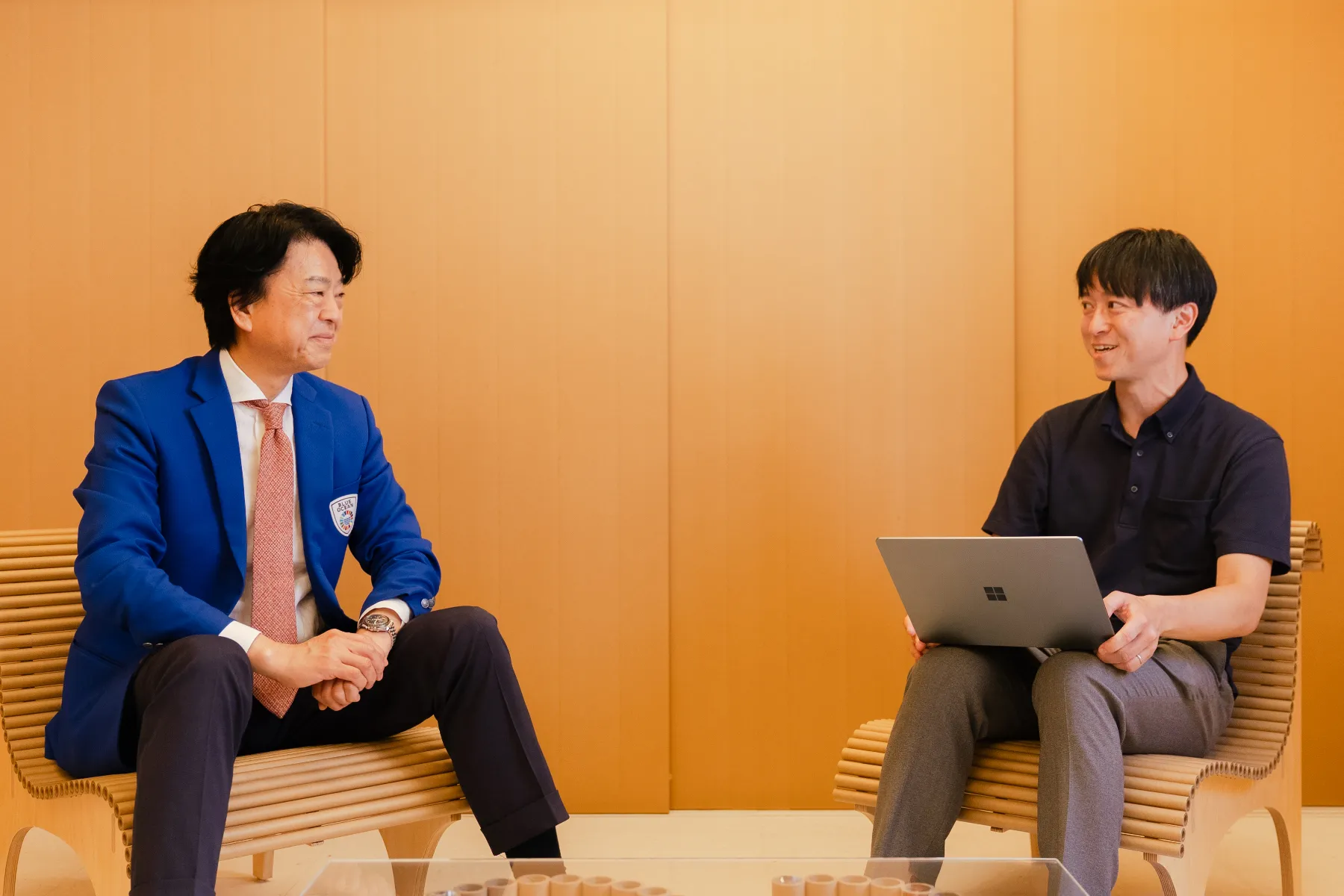
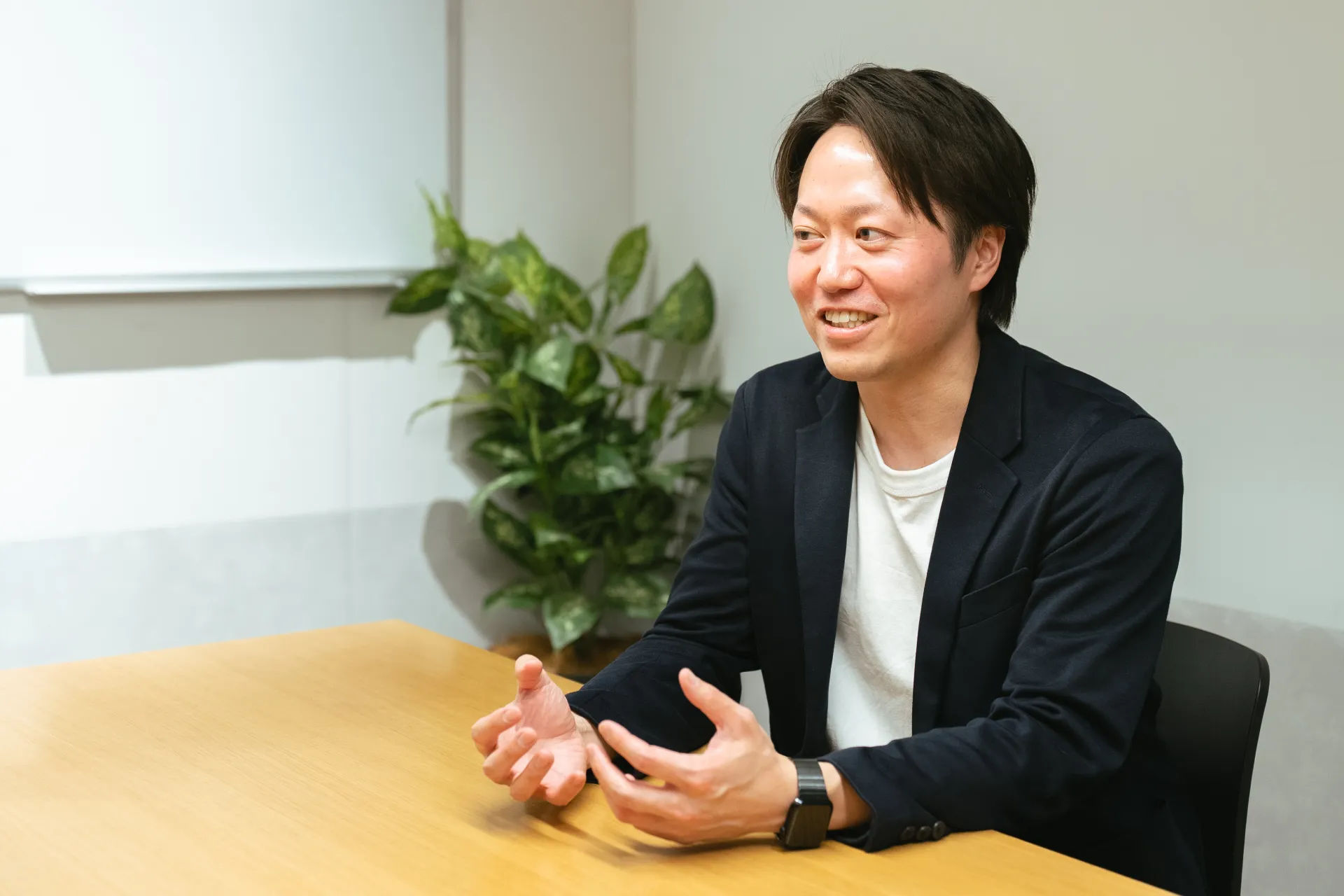
Koki Fukumoto, Hitoshizuku (Fukumoto):
Saraya stands out among Japanese companies for eagerly conducting environmental conservation and education. Can you tell me about those activities, and how you ended up establishing the Connecting Lives School?
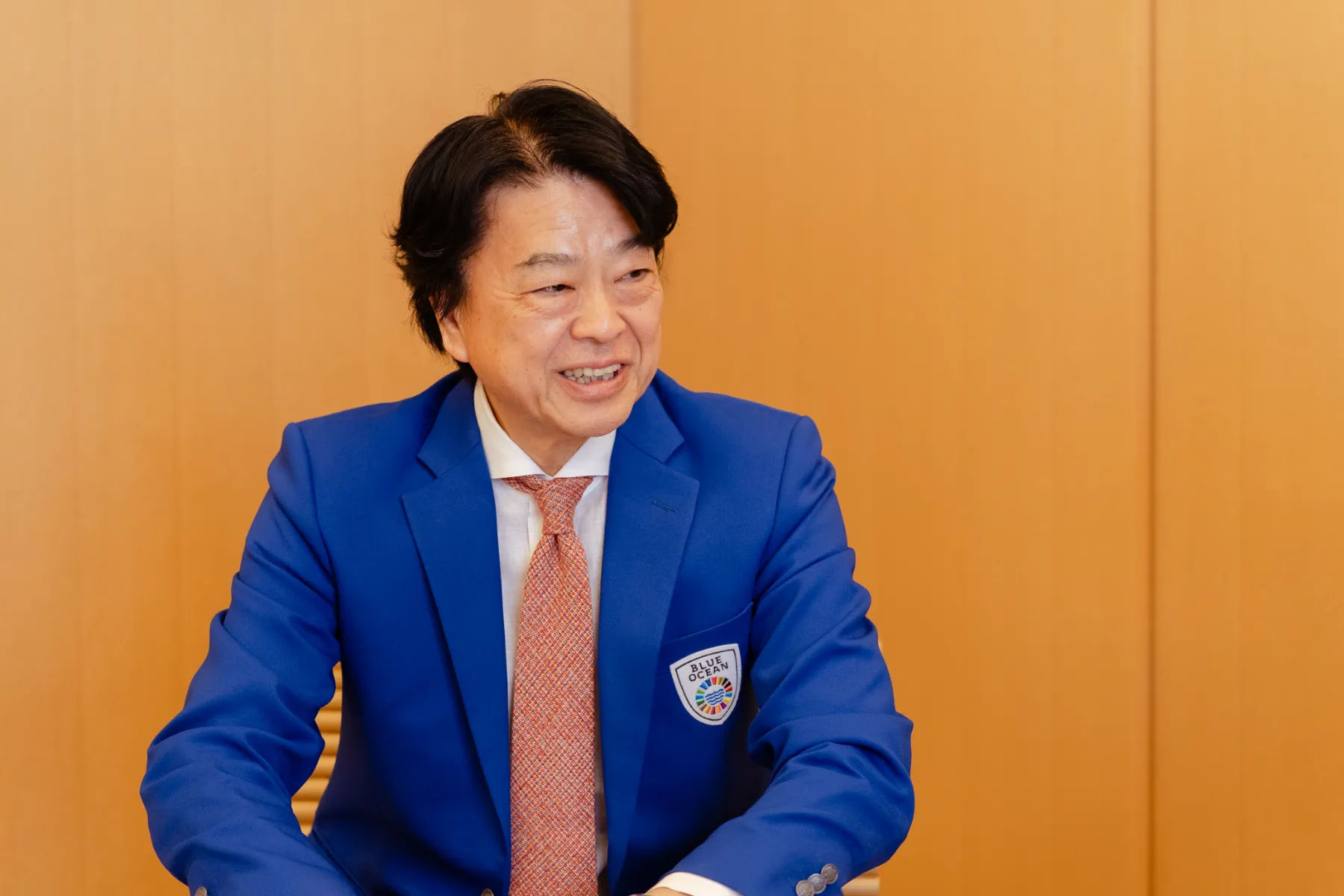
Hirotsugu Daishima, Director, Saraya (Daishima):
Saraya’s motto is “connecting lives,” and the three pillars of our business are hygiene, health, and the environment. It was in 2004 that we began conducting conservation in earnest. The trigger was a TV program that mentioned Saraya. It showed how palm oil, which is used in soap and food, is causing serious environmental issues on the island of Borneo—a major producer. We visited in person, and saw first-hand that industrial activities were destroying the rainforest, removing animals’ habitats and putting them at risk of extinction. It inspired us to act. Palm oil is used mostly in food, but it’s also found in our flagship product: Yashinomi Detergent. When President Saraya saw the situation on the ground, he took the lead, exploring what we could do as a company. We helped to set up the Borneo Conservation Trust, and implemented a broad range of conservation activities.
Our commitment to global hygiene was announced in 2002, at our 50th anniversary ceremony. In his policy speech, President Saraya said he wanted our company to be the international number one when it comes to hand washing. Yashinomi Detergent is well known among consumers, but it accounts for less than 10% of our sales. The majority comes from hand soaps and disinfectants for household and commercial use. Saraya was actually founded during a dysentery epidemic, back in 1952. We launched Pearl Palm Liquid Soap, a sterilizer and disinfectant with a purpose-made dispenser. Our business was based around preventing infection. Since the turn of the century, corporate social responsibility has become a well-established concept. But it should be carried out as part of a company’s core activities. Ours is preventing infection, so we develop our business to do that, not just in Japan but all over the world. Infectious diseases that can be avoided through proper hand washing are still taking lives, particularly in developing countries. So we work hard to improve sanitation in places like Uganda, in Africa.
Fukumoto:
So far, you’ve mentioned just a fraction of what you do. In fact, Saraya has developed all sorts of activities, all directly linked to your main business. And they’re all brought together by the Connecting Lives School. Can you tell me about the thinking behind that project?
Daishima:
We all went through the COVID-19 pandemic. At Saraya, we consulted many experts and media outlets about what’s most important in the post-COVID era. The conservation of the environment and the prevention of infection are both associated with “life,” and our motto is “connecting lives.” So what should we do? We concluded that the best way to connect life to the future was through education. That’s how the school project got started.
Conveying ideals, not just events
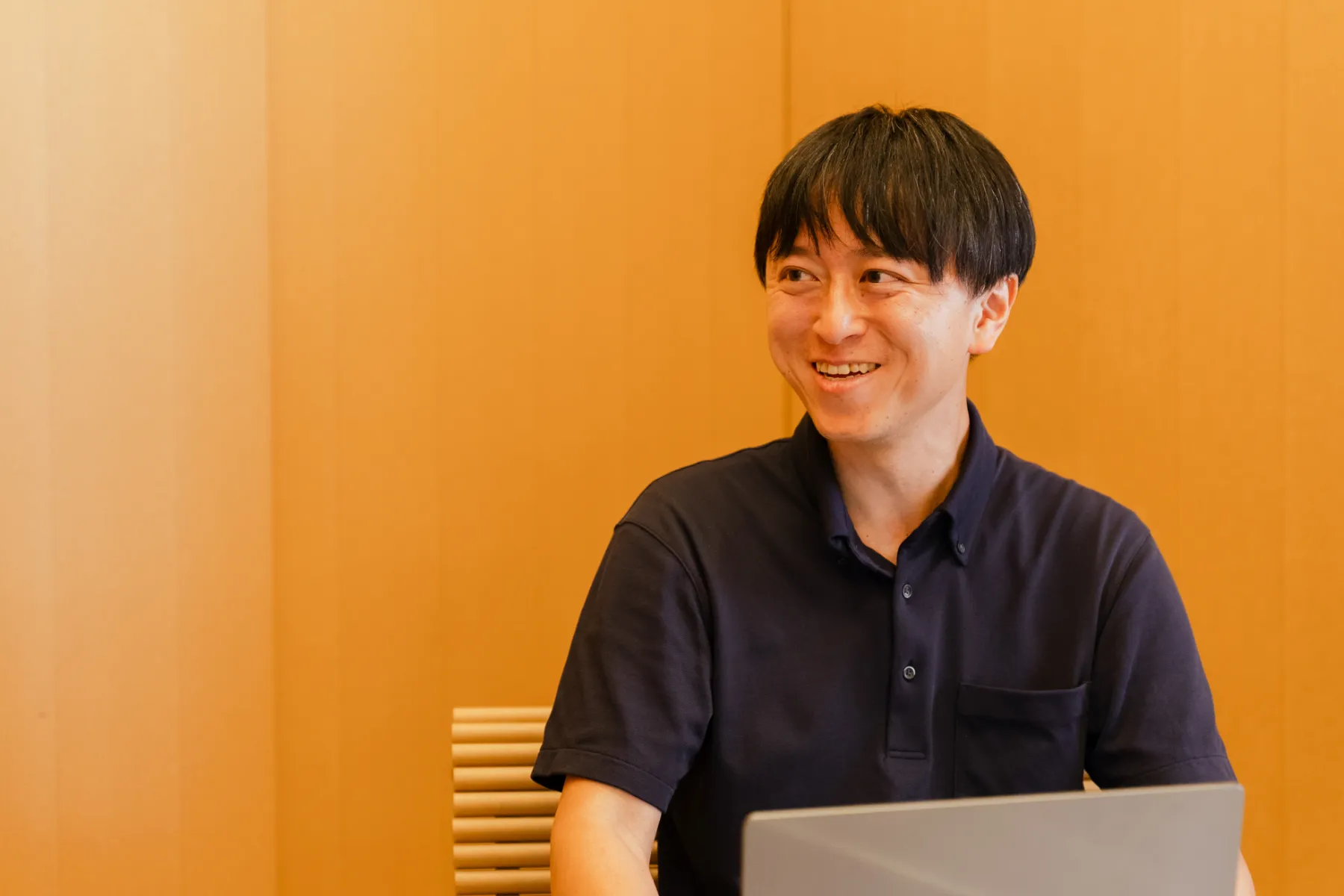
Fukumoto:
I watch the Connecting Lives School’s online content myself, with my children, and we found it just as interesting as NHK’s educational programs. The school’s principal, the biologist and author Shinichi Fukuoka, is depicted as an illustrated character: Dr. Fukuoka. And at first, I admit, I didn’t realize it was him!
Daishima:
Thanks for watching. We’ve had a long relationship with Fukuoka, going back to the time he published “The Difference Between Living and Non-Living Things,” the book before “Dynamic Equilibrium.” We were planning educational content on the theme of “life,” so we asked him to be the principal of our school. Happily, he agreed. The school opened in 2022. That was just after the pandemic, so we started with online content and off-site lessons, explaining that humans coexist with bacteria and viruses. We should know about them, and follow established measures to prevent infection.
Fukumoto:
You reached out to Hitoshizuku in 2024, when planning Fukuoka’s first in-person class. We were introduced by Soichi Ueda of Think the Earth.
Daishima:
Yes. Think the Earth is an NPO working on the coexistence of ecology and the economy. I’ve known Ueda, the founder and director, for a very long time. Since around 2007 or 2008. I went to meet him and some Tohoku University graduate students at the airport in Borneo, and he thought I was a local member of staff! We talked about all sorts of things, and discovered we had lots of mutual friends. So we got along famously. He gave me lots of advice when we were setting up the Connecting Lives School. Think the Earth has an educational project called “SDGs for School.” They’ve already established a network of people from educational institutions who are passionate about tackling environmental and social issues. Their knowledge and contacts were so helpful when we were planning our own school project.
When planning the in-person class, we needed to inform schools and children—but we also wanted to generate some buzz in the media, so Ueda introduced us to you. I’d never heard of a “PR company specializing in social issues” before. I thought it was odd. In my twenties, I was involved in documentary filmmaking, which wasn’t very commercially viable. People told me I was doing a good thing, but it didn’t earn me a living. My first impression of Hitoshizuku was that you were doing the same thing!
Fukumoto:
Before I started working here, I was also quite surprised to discover a PR company specializing in social issues and doing social good. You asked us to secure press coverage for Fukuoka’s first in-person class, and invite media to attend on the day. What challenges were you facing when you asked for Hitoshizuku’s support?
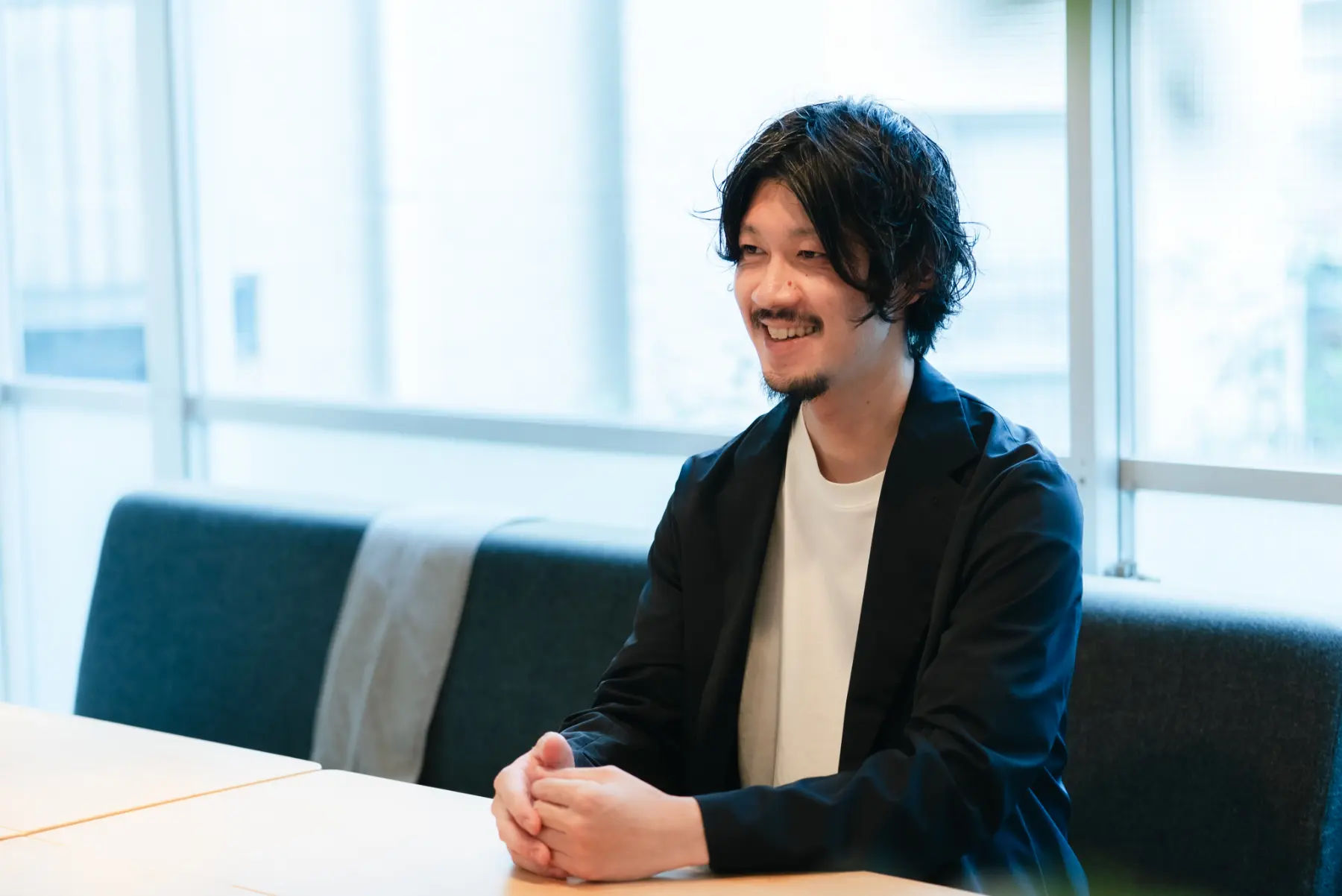
Juri Mori, Saraya (Mori):
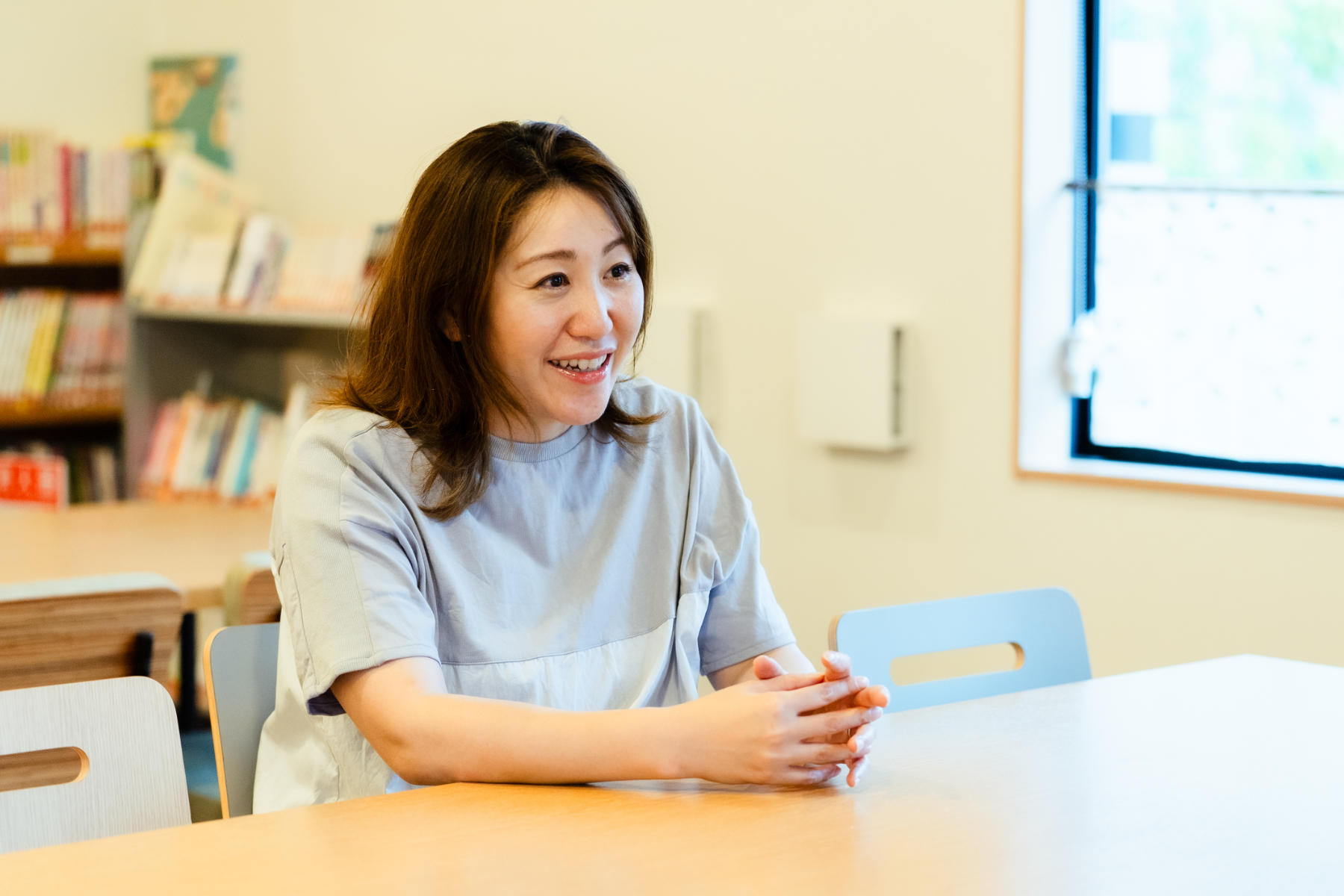
Simply announcing the class and inviting participants wasn’t enough. We wanted the media to learn what Saraya was doing, and cover the event. So we had to strategically release information that would get their attention, such as what the Connecting Lives School does, what the experience is like, and what Saraya’s motivation is for conducting the project. However, our PR department didn’t have much experience in marketing to children. We were used to promoting specific products. A lack of knowledge and resources left us a little clueless, so your support was extremely helpful.
Fukumoto:
You came to us with a one-off request: to secure press coverage for the event, and to invite press to attend on the day. But as our discussions continued, we felt it was important to engage in corporate communication that fully conveys Saraya’s activities and ideals. So we created a book. It tells the story behind the Connecting Lives School, going back to Saraya’s founding and its corporate philosophy. We communicated your passion for sustainability, conservation, public health, and more, in a way that’s easy for consumers and the media to relate to. I believe this helped us achieve much higher quality media coverage.
Mori:
If people learn the background and intent of a project, they become more interested in its story. That’s something I learned.
Fukumoto:
The media would often ask simple questions like, “Why is Saraya doing something like this?” I was able to show them the book, which explained that your business was founded around the idea of preventing infection. When they heard about your history, they were fully convinced. The lives and careers of the people involved in this project are also very interesting. Daishima, you stepped forward as a spokesman, which widened the scope of media interest.
Mori:
He did. The media didn’t just announce the Connecting Lives School; it covered Saraya’s activities as a whole. That was a great result.
Continuing the Connecting Lives School for many years to come
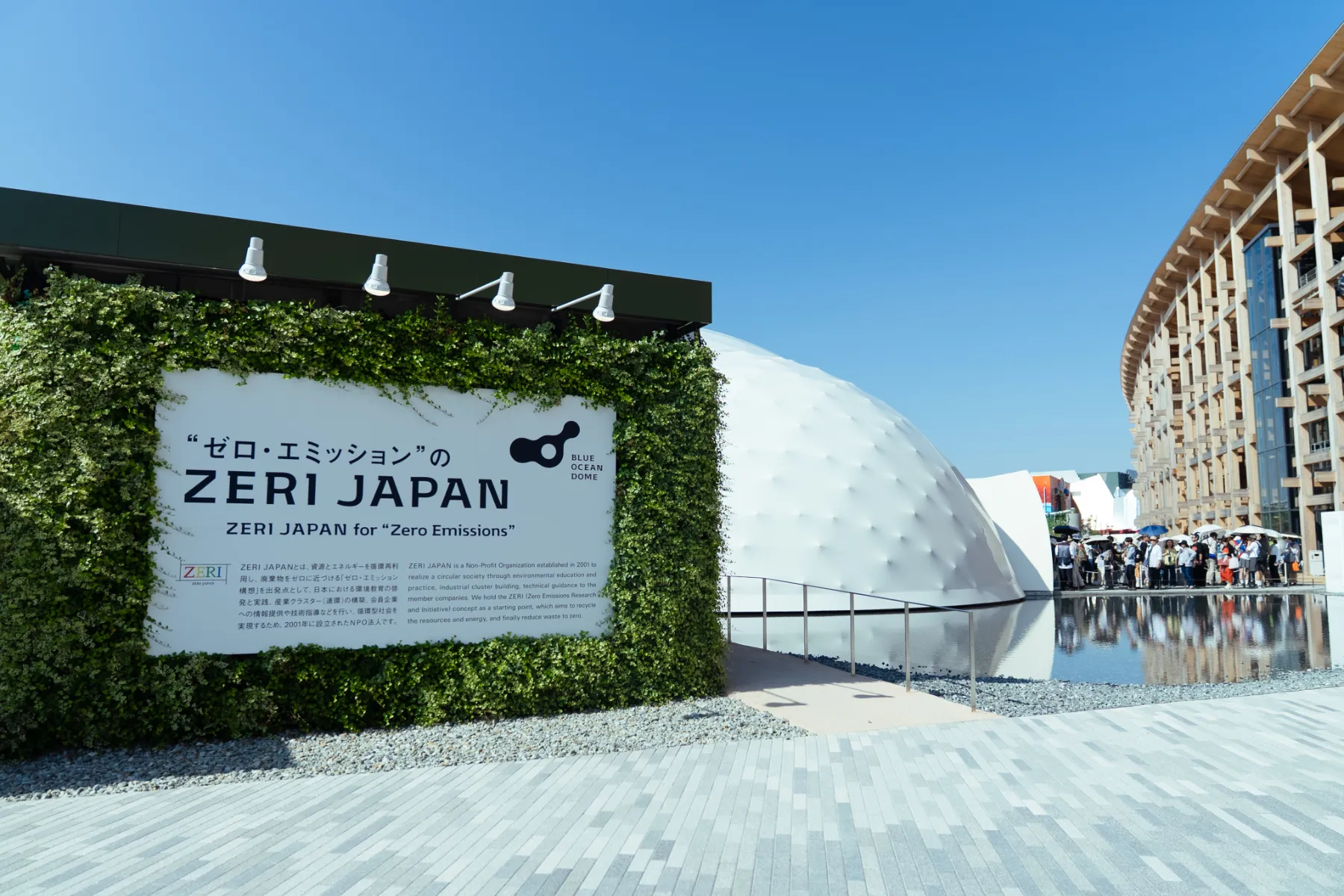
Fukumoto:
The Connecting Lives School’s in-person class concluded successfully. Then in August 2024, you conducted a Borneo study tour for middle and high school students. And from April 2025, you helped an NPO called Zeri Japan with the Blue Ocean Dome, a pavilion they created for the Osaka Kansai Expo. I’m sure that the scope of your activities will only continue to grow. Can you tell us about any future plans?
Daishima:
When we started working with Fukuoka, we thought that 2025 would be a good time to pause the Connecting Lives School, and take stock. But we’ve both found ourselves wanting to continue, until 2030 at least.
Fukumoto:
As supporters of the project, we truly hope you carry on.
Daishima:
We have to keep raising public awareness. But not as a temporary fad. The Connecting Lives School only got going three years ago. We’ve been working in Borneo for a decade, and we’re only just getting any recognition. For our work in Uganda, it took over five years. The Connecting Lives School will only have succeeded when children that viewed our content and attended our events grow into adults that say, “It’s because of the knowledge and experience I gained at the school that I am where I am today.” That’s when we’ll know that we’ve made a connection with the future. I want to think about it on that sort of timeline.
Mori:
We want to continue pursuing corporate communication, with enhanced information and strategies. Of course, when promoting specific products or events, we’ll have to focus on short-term goals. But we want to make sure that every product is connected to our company’s overarching philosophy and ideals. I’ve realized that it’s very important to maintain steady, continuous contact with the media, rather than reaching out about a specific project and stopping when it’s over.
Fukumoto:
You like to keep busy! We actually had a secondary reason for proposing the book about Saraya, and that was to make a platform for corporate communication. So I hope that Saraya continues to build up its assets. When marketing a product, you can always link back to your company’s philosophy. And I think that will really enhance your brand.
Mori:
Absolutely. Rather than aiming for the mass market, we target people highly interested in health, and the environment. We’d like to properly develop each product’s story, and communicate a wider range of information. There will be many things you can help us with in the future.
Fukumoto:
Watching you earnestly tackle themes like hygiene, health and the environment makes us want to promote your activities, even if you haven’t asked us to! Personally, I think you deserve more recognition from people and businesses working on environmental and social issues. We’d love to work with you again, in many different ways.
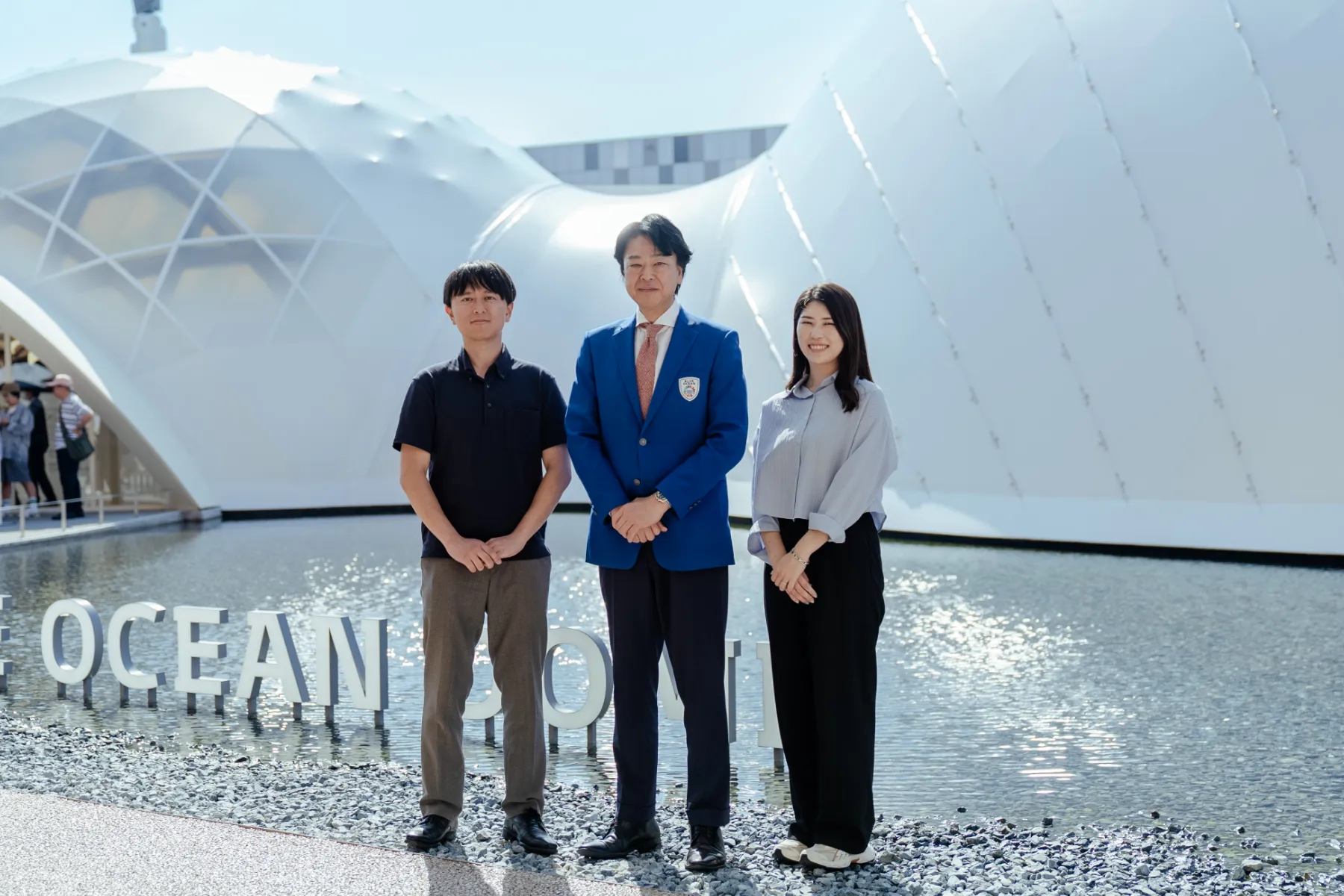
Photography: Hiroyuki Horigome
Editing: Hiroko Ito
Translation Editing: Satomi Furukawa
RECENT WORKS
| Name | Hitoshizuku Inc. |
| Address | 33 Nihonodori Naka-ku Yokohama Kanagawa 231-0021 JAPAN |
| Branch | Hamacho Odawara Kanagawa 250-0004 JAPAN |
| Phone | 81 045 900 8611 |
| info@hitoshizuku.co.jp |
| President | Hiroshi Kokubo |
| Established | March 2016 |
| Capital | 3,000,000yen |
| Business | Advertising & Public Relations Agency Planning & Produciton of Social Good Projects |
| Lawyer | Junna Tei / Yokohama First Law Office |
| Tax Advisor | Satoru Motokoide / Uniques Money Advisory |
| Labor and Social Security Attorney Office Work Innovation | |